Wedding Planning Checklist in Pune: A Complete 12-Month Guide

Planning a wedding in Pune gets easier when decisions are made in the right order. A beautiful mandap and good food matter, but they work only when the date, venue, budget and supplier timelines fit together. This wedding planning checklist in Pune suits couples planning anything from a small ceremony to a multi-day celebration.
Keep this wedding planning checklist in Pune open as you book, and tick items off as each decision is made. A wedding planning checklist in Pune also helps relatives who live elsewhere follow progress.
The timeline starts twelve months before the wedding, although it can be shortened. It covers what to decide, whom to brief, what to put in writing and how to prepare for the unexpected. The goal is not to add unnecessary tasks. It is to give every important decision an owner and a deadline so that the final week is about celebrating rather than finding missing information.
Quick answer: what should you plan first?
Start with five decisions: your preferred dates, a realistic budget ceiling, an approximate guest count, the number of functions, and the kind of venue you want. Once those are agreed, shortlist venues and appoint the people responsible for planning and decisions. Book the essential suppliers before spending time choosing small decorative details. Keep the guest list, budget and schedule in shared documents that have one clear owner.
The order matters because venues, catering and guest numbers affect almost every other cost. A mandap designed for a covered lawn requires a different installation approach from an indoor banquet hall. A three-day itinerary with guests travelling from Mumbai also needs a different hospitality plan from a local evening reception. Fix the dependencies first and refine the details afterwards.
Twelve to nine months before: establish the foundations
Agree what kind of wedding you are organising
Sit together with both families and write down the events that genuinely matter. These might include a mehendi, haldi, sangeet, wedding ceremony and reception, but every family has its own traditions. Establish which functions will happen at home, which need a booked venue and which can be combined. Do not let the number of events quietly grow after deposits have been paid. Each additional function changes catering, transport, décor and staffing requirements.
Ask what you want guests to remember. Some couples prioritise a comfortable and smoothly run family celebration; others value a dramatic evening reception or a destination weekend. These priorities are more useful to suppliers than an unexplained instruction to make everything look luxurious. Give yourselves permission to invest in the moments that genuinely matter and simplify the rest.
Create a budget that has room for real life
Work with an approved maximum rather than a collection of estimates gathered from social media. Separate venue, food, décor, photography, entertainment, hospitality, transport, clothing, ceremonies and contingency. Record whether each amount includes taxes, service charges, delivery, setup and removal. The cheapest supplier quotation is not necessarily the least expensive complete solution if essential items are excluded.
A workable budget has three versions: the initial allocation, confirmed contracted spending and the latest expected final total. When someone suggests an extra feature, update all three before approving it. Reserve a modest contingency for revised guest numbers, weather-related infrastructure or unexpected operational requirements. Having money unallocated is far more useful than pretending last-minute changes will not happen.
Set up the decision-making system
Choose a small group that can approve major changes, and appoint a single point of contact for vendors. A wedding with many well-meaning decision-makers quickly produces contradictory instructions. One person may approve a stage concept while another asks the decorator to change the backdrop and someone else assumes the earlier design is still final.
Use a shared planning sheet with task, supplier, owner, due date, payment status and next action. Keep contracts and venue floor plans together. Agree which decisions need the couple’s approval and which can be handled by the planning team. This simple system is especially valuable when some family members are coordinating from outside Pune.
Nine to six months before: secure the venue and essential suppliers
Shortlist Pune venues against the actual requirements
Consider banquet halls, hotels, farm venues, lawns and destination properties on their practical merits, not only photographs. Ask for the usable event area, guest capacity by setup style, parking arrangements, access for elderly guests, washrooms, getting-ready rooms, power supply and covered alternatives. A lawn that looks enormous in pictures may feel crowded once a mandap, dining stations, music equipment and guest circulation routes are installed.
Visit shortlisted venues at a similar time of day to your planned function where possible. Check traffic patterns, loading access, sound restrictions and whether another event will be running nearby. If your family expects guests from Mumbai, compare travel convenience as well as ambience. Ask for all mandatory vendor rules before signing; restrictions on outside decorators or catering can materially change the project budget.
Ask what the venue quotation actually includes
Request an itemised written quotation with the dates, occupied hours, food or room minimums, deposit requirements, cancellation terms and taxes. Confirm whether access for décor installation starts the previous day or only a few hours before the ceremony. Establish who pays for extra power, generator fuel, housekeeping, security, parking assistance and after-hours staffing.
Pay particular attention to the difference between capacity and comfort. A venue may technically fit your quoted guest count while leaving limited space for a stage, buffet queues or wheelchair movement. Ask the venue team to walk through a simple floor plan with you. Problems are easier to solve on paper than when guests are arriving.
Book the suppliers whose availability drives the schedule
Venue, caterer, photography team, key entertainment suppliers and planning or décor team are generally worth approaching early. Popular dates create bottlenecks, but availability varies and no one calendar applies to every supplier. Ask prospective teams for previous work relevant to your size and format of event, a written scope, staffing assumptions and a clearly named lead contact.
When comparing proposals, standardise the brief. If one supplier quotes only stage flowers and another quotes the entrance, mandap, lighting and dismantling, their prices cannot be compared fairly. Ask each to identify exclusions. Check who owns permits and venue approvals, what happens if the schedule changes, and whether subcontractors will be brought in.
Six to four months before: turn ideas into a usable plan
Design a guest list that can support every function
A guest list is not one final number. Track household, invitation status, expected attendance by event, travel origin, accommodation needs, accessibility requirements and a responsible family contact. The same household might attend the wedding ceremony but not the mehendi. Create a unique identifier for each family group to prevent duplicate invitations from both sides.
Use separate lists for confirmed attendees and expected attendees. This distinction matters for food guarantees, table planning and hotel rooms. If your family plans to invite additional guests late, create an approved reserve list instead of silently increasing numbers. Keep personal information restricted to the people who actually need it.
Decide how each space will look and work
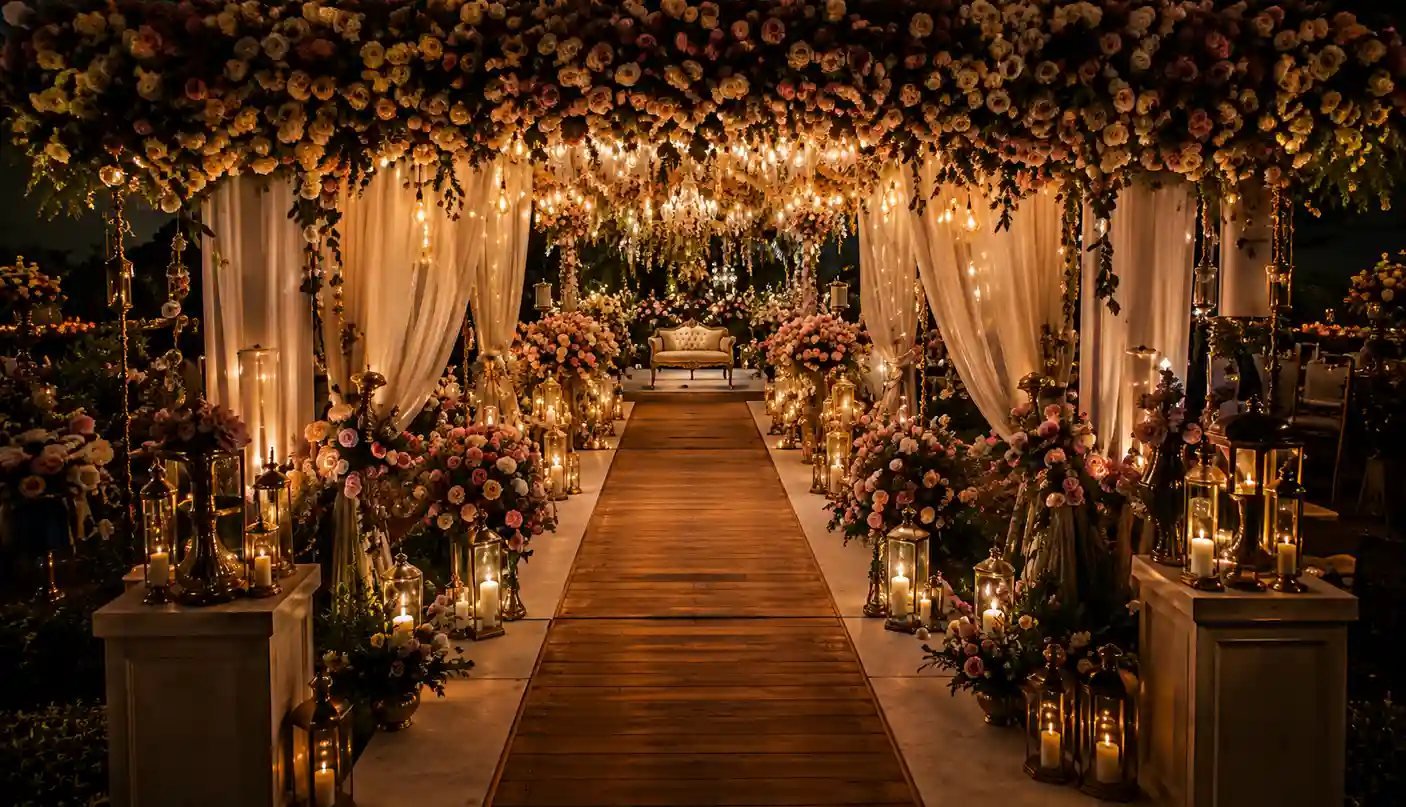
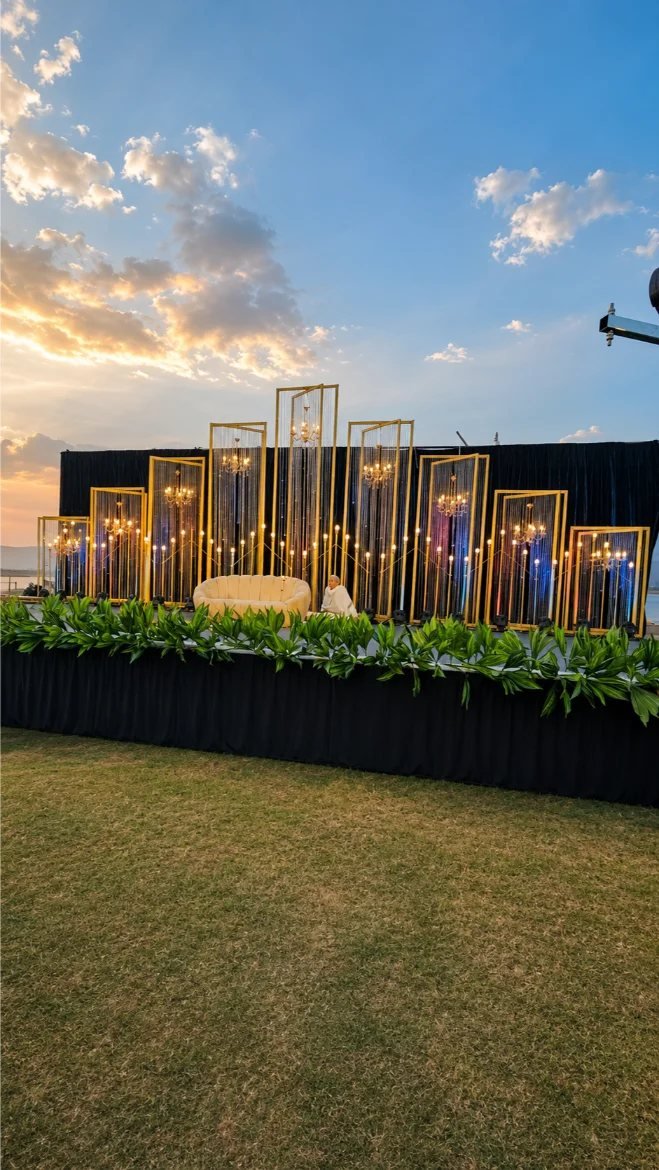
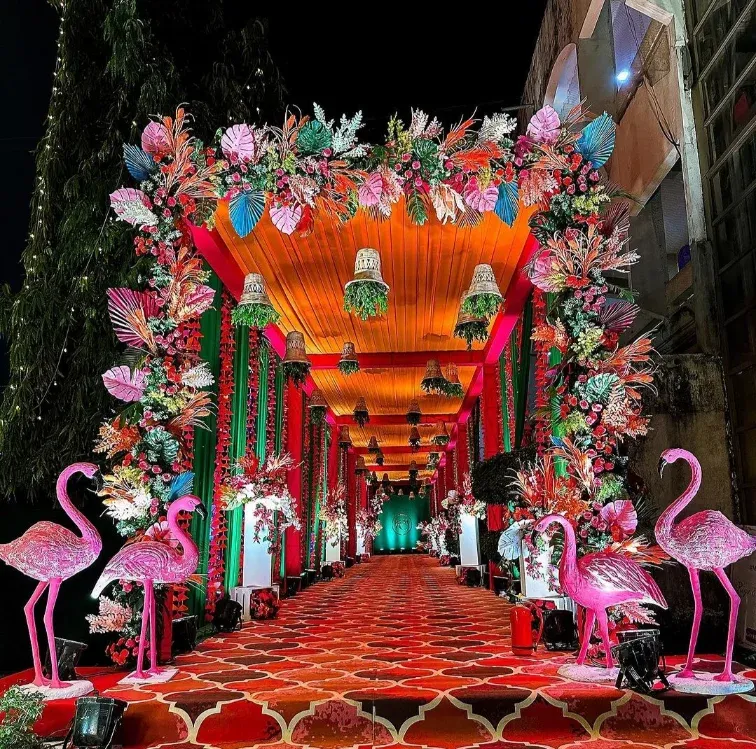
For décor, start with a mood board, then translate it into a real floor plan. Identify the mandap, stage, entrances, welcome desk, seating, dining, photographs, ceremony pathways and back-of-house working areas. Think about how guests move between these areas before deciding on elaborate structures. A beautiful entrance becomes inconvenient if it blocks the route to the dining room.
Look at the venue’s existing colours, architecture and lighting. Some spaces need restraint, not more decoration. Ask for drawings or reference photographs that clarify scale and materials. If fresh flowers are important, discuss availability and substitution policy; if a custom structure is proposed, ask about anchoring, fire safety, access and installation time. See the wedding and celebration decor services offered by Seher Event for the kinds of spaces that may need coordination.
Plan what happens between events
Wedding functions are connected by travel and turnaround time. If a haldi finishes at a family home at noon and the sangeet begins at a resort that evening, calculate the time required for guests to travel, dress, eat and settle. The schedule must also allow suppliers to unload equipment, change the décor, test sound and hand over the venue safely.
Create a draft run sheet with start times, finish times, transport windows and responsibility for each transition. Include meals and rest breaks for the couple and close family. A programme that works only if every activity finishes early is not a sturdy programme. Leave breathing room where photographs, rituals and guest interactions naturally take longer.
Four to three months before: invitations, accommodation and transport
Give guests the information needed to make a decision
Send invitations in a format that makes the date, venue, dress guidance, location link and RSVP method obvious. For guests attending several functions, supply a concise itinerary with separate addresses. Do not assume that everyone uses the same messaging app or knows the geography around Pune. Older relatives may prefer a phone call, while outstation guests often need a shareable written guide.
Track responses rather than relying on a collection of informal messages. Ask about meals and accessibility respectfully and only where relevant. Once the RSVP deadline passes, identify households without a response and arrange a single structured follow-up. Avoid several family members asking the same guest for the same answer.
Build the hotel plan around actual travel needs
Do not reserve rooms for everyone on the invitation list. Start with guests travelling from outside the city, identify the nights they need to stay and group requirements by household. Ask hotels about group rates, breakfast, extra beds, early arrivals and late departures. Room-block contracts need particular attention: find out when unused rooms can be released and who bears the charge if numbers change.
Keep one live rooming list that includes guest name, room category, check-in date, check-out date, payer and special requests. Limit access to protect personal details. Guest accommodation is often where good planning makes the biggest difference because a single wrong allocation can create delays across transport, welcome arrangements and the first function.
Plan routes, vehicles and arrival support
Prepare a travel plan for people arriving by train, airport or road. Record arrival windows rather than dozens of individual estimated arrival times. Where practical, group transfers and nominate a transport coordinator who can contact drivers and guests. Include vehicle capacity for luggage and accessibility needs, not merely the number of seats.
Venue parking and pickup points should be marked clearly. Drivers need one authoritative route and contact number. Allow for traffic, weather and additional travel during busy weekends. Transport becomes an operational issue when no one knows whether the last shuttle has departed or who is waiting at the station. Seher Event’s hospitality and guest management offering covers the kind of guest coordination families should plan for.
Three to two months before: convert concepts into approvals
Freeze the important décor decisions
Approve the main visual direction and record it in a version-controlled document. List the materials, approximate dimensions, colours, flower preferences, stage furniture, lighting and signage agreed for each function. Ask the décor team to explain what will be supplied, what will be hired and what can change based on local availability.
A reference photograph is useful but is not a specification. If an arch in the photograph is unusually wide, request the intended dimensions at your actual venue. If the design depends on natural daylight, ask how it will look after sunset. Confirm which items are reusable across functions and whether reuse reduces cost without creating unrealistic turnaround deadlines.
Finalise food planning without losing flexibility
Caterers need numbers, service style, timings and location details. Confirm whether meals are plated, buffet-based or a mix and how live stations affect space and power. Discuss dietary requirements, children’s meals and service arrangements for older guests. Ask who provides drinking water, cleanup, waste removal and staff meals.
A practical menu tasting tests service as well as taste. Decide how many counters are needed to prevent long queues and whether different stations will be visible and accessible to guests. Confirm the final guarantee date. A substantial change in attendance can affect staffing and purchasing, so agree how the caterer handles adjustments in writing.
Review sound, lighting and power as one system
Decorative lighting, stage sound, DJ equipment, screens, cooking stations and temporary structures all draw on the venue’s resources. Have a technical supplier map electrical requirements and backup arrangements. Ask for a soundcheck schedule and confirm restrictions on music, outdoor amplification and installation. These are venue- and location-specific; verify the applicable conditions instead of assuming a general rule.
Check practical sightlines: can people at the back see the ceremony, will microphones work during vows or speeches, and is there enough light for safe movement? Technology should support the occasion rather than dominate it. The simplest setup that is thoroughly tested often delivers a better guest experience than a more elaborate system no one has rehearsed.
Eight to six weeks before: move from planning to production
Build the master event run sheet
Your master document should identify every function, location, owner, supplier arrival, installation window, rehearsal, guest arrival, food service, performance and clearance time. Include emergency contacts and an escalation rule. It is not enough to know what is happening at 6 pm; the schedule should show what must be complete by 5:30 pm for the 6 pm activity to succeed.
Create a concise guest-facing timetable separately from the production run sheet. Guests do not need vendor loading instructions, while vendors do not need every invitation detail. Share the right version with the right people and specify a revision number. One outdated PDF shared in several WhatsApp groups can create unnecessary confusion.
Confirm setup and dismantling arrangements
Ask suppliers exactly when equipment can enter the venue, which entrance they should use, where goods can be stored and who approves installation. Record whether a loading lift is available and whether large vehicles can park nearby. Stage structures and furniture need safe routes that do not cross guest areas during the event.
Dismantling deserves as much attention as setup. Confirm the handover deadline, cleaning responsibility, disposal of flowers or single-use materials and any venue damage policy. Suppliers may need additional time if one event ends late. Treat the exit plan as part of the event agreement, not a task to discuss after the final photograph.
One month before: test every assumption
Conduct the coordination meeting
Bring the venue representative and principal supplier leads together, virtually or on site. Walk through the schedule, floor plan, installation requirements, restrictions and contact chain. Ask each supplier to restate their deliverables and the time their team needs to complete them. Differences between assumptions often appear during this meeting rather than in earlier email exchanges.
This is also when to identify dependencies that remain open: a pending stage drawing, missing room allocations, an unapproved lighting layout or an unanswered catering question. Give each unresolved item an owner and a deadline. Avoid long meetings that end without decisions. A single tracked action list is more valuable than pages of general notes.
Confirm payments, contracts and contingency
Record each supplier’s advance, balance due, payment trigger and receipt. Do not leave an essential vendor unsure whether the final payment will arrive before setup. Keep copies of agreements and approved change orders accessible to the designated finance contact. Confirm who is authorised to approve additional spending during the event.
Prepare sensible contingencies. For an outdoor function, check the venue’s weather plan and shelter capacity. Identify substitute contact details for key suppliers and the nearest usable medical support. Consider whether guests will need umbrellas, additional drinking water or safer pathways. A contingency plan should explain who makes the decision and by what deadline, not merely say that a backup exists.
Two weeks before: freeze the guest experience
Lock names, numbers and arrival details
Confirm the final practical guest count for each function, while recognising that minor changes may still occur. Verify room allocations with the hotel and send arriving guests one final information pack. Share pickup instructions, venue map, event contacts and the relevant schedule. Check that guest details shared with drivers or vendors are limited to what they need.
For families with elderly guests, plan seating, accessible entrances and shorter walking routes. Parents with small children may appreciate a quiet space. If the event is taking place in heat or rain, think about shade, covered pathways and safe waiting areas. These details rarely appear in mood boards but are remembered by guests.
Make decisions about final changes
Create a rule that no supplier takes direct design instructions from multiple family members during wedding week. Small adjustments should go to the designated coordinator, who assesses their effect on budget and schedule. Some changes are harmless; others require extra material, labour or equipment. Not every attractive last-minute idea improves the event.
Ask for written confirmation of what is approved. Keep a simple change log with the request, decision and person responsible. Once core layouts, supplies and deliveries are confirmed, the threshold for changes should become higher. A calm final week is largely the result of disciplined decision-making earlier.
Wedding week: run the plan, not the group chat
Complete the final walkthrough
Inspect the venue with the production lead. Confirm the entrance, ceremony area, stage, seating, dining, hospitality desk, washrooms, supplier zones and access routes. Test microphones, lighting, power backup and key signage. If any installation is unfinished, track it against a clear handover time and have one person verify completion.
Make sure the venue understands the distinction between guest-ready and technically complete. A stage might be structurally finished while its flowers are still being arranged. Guest reception should begin only when the public areas are safe and ready. Check decorative cables, floor transitions and loose materials that could cause slips or trips.
Give the family a small number of reliable contacts
The couple and immediate family should not need to field every operational call. Share a concise contact sheet: overall coordinator, venue lead, hospitality desk, transport lead, decorator, caterer and one family decision-maker. Each team should understand when to escalate an issue and when to solve it independently.
Build breaks into the run sheet, especially before the main ceremony. Protect time for photographs and meaningful conversations. A good event is not necessarily one where every minute is occupied. It is one in which people can enjoy the occasion because someone else is managing the sequence behind the scenes.
Wedding-day checklist: the last 90 minutes
Confirm that the venue is clean and all public areas are accessible. Verify mandap or stage readiness, microphones, lighting cues, drinking water, washrooms, dining stations and the welcome desk. Confirm the vendor point of contact is available and the guest arrival team has an accurate list. Check that required ceremony materials are in place and know who is holding them.
Ask the transport coordinator for an update on outstanding guest pickups. Confirm that key family members know where to report and that the photography team knows the important people and moments. Finally, stop redesigning the day. Your coordinators should have enough information to respond to normal delays without asking the couple to make a dozen minor decisions.
A practical budget and responsibilities worksheet
Use one row for every important expense, with columns for category, agreed scope, initial estimate, final quote, deposit, balance, due date, owner and change notes. Separate costs paid by different relatives if that is how the family has organised finances. For guest logistics, use another sheet with event attendance, travel, accommodation, transport, meal or accessibility notes and a designated coordinator.
For production, create a third worksheet with location, task, responsible supplier, earliest access time, readiness deadline, inspection owner and completion status. These three documents work together, but they should not become one enormous spreadsheet nobody can read. Share a simplified summary with the couple and detailed versions with the teams responsible.
Common mistakes that create unnecessary wedding stress
Booking the venue before understanding the full cost
A deposit can feel like a major achievement, but it can also commit you to compulsory catering, limited suppliers and costly setup restrictions. Compare the fully delivered event budget before choosing a venue. Visit the property and ask for an itemised inclusions list. The venue is part of the solution only when its conditions support the wedding you want to hold.
Paying for a design before checking whether it fits
A stage shown in a photograph may require more space, height or labour than your venue allows. Check dimensions, loading routes, installation time and any permitted hanging points. Review sightlines and emergency routes. A smaller, well-designed setup usually looks better than an elaborate idea squeezed into the wrong room.
Using WhatsApp as the only planning system
Messages are useful for updates but poor at preserving a single agreed decision. Important approvals should be moved into a shared document with version control. Keep a summary of deadlines, payments, guest numbers and design choices. Suppliers need a current instruction, not a search through several family groups.
Overlooking hospitality because the venue seems close
A local wedding can still involve guests arriving at different hours and needing directions, parking assistance or a quiet waiting area. Ask who welcomes outstation relatives, who handles delayed arrivals and who knows which vehicle is assigned to each group. A visible hospitality desk and clear contact information can prevent many avoidable problems.
Before you book
Frequently asked questions
Something else on your mind? Ask us on WhatsApp (opens in a new tab).
How early should we start wedding planning in Pune?
For a wedding with several functions or a high-demand date, starting around twelve months ahead gives you more time to compare venues and suppliers. Smaller events can be organised in less time with clear decisions and realistic choices. The order of planning matters more than a rigid calendar: establish budget, guest count and date before making detailed design commitments.
What should we book first: the venue or wedding planner?
There is no universal rule. A planning team can help compare venues before booking, especially for multi-day celebrations. If you already have a venue in mind, involve your coordinator before signing so you understand supplier restrictions, power requirements and setup access. Both choices should be assessed together against the complete budget.
What is the most important item on a wedding checklist?
A clear, realistic agreement on budget, guest numbers, functions and decision-making authority is the foundation. Many later problems arise when those decisions are vague. Once the fundamentals are agreed, create a documented schedule with owners and deadlines. The most useful checklist is one that people actually update.
How do we coordinate wedding guests coming from Mumbai and other cities?
Track arrival groups, accommodation nights, pickup requirements and contact numbers in one guest-management document. Give guests a clear itinerary and one help number. Confirm hotel arrangements and assign someone to handle delayed arrivals. Avoid using several different versions of the guest list for transport, catering and check-in.
Can we plan haldi, mehendi and the reception at different venues?
Yes, provided the schedule includes practical travel time and setup requirements. Check whether guests need transport between locations and whether suppliers have enough time to dismantle and reinstall décor. Each location needs its own contact, floor plan and handover timeline. Combining events in one venue can reduce complexity but is not always essential.
How do we keep wedding decoration within budget?
Prioritise the ceremony, main stage and guest-facing spaces, then use the venue’s existing features wherever possible. Ask decorators to quote exact materials and dimensions and explain reuse opportunities between functions. Avoid approving a design on appearance alone. A well-defined brief is the most effective starting point for keeping costs under control.
Who should manage suppliers on the actual wedding day?
Appoint a single experienced event coordinator or production lead, supported by venue, décor, hospitality and catering contacts. The couple should not have to make routine operational decisions once the events begin. Define the escalation process in advance so the family is only contacted when a decision genuinely requires their input.
Does Seher Event handle only decor or also wedding coordination?
Seher Event offers wedding and celebration decor alongside destination wedding decor, hospitality and guest management, wedding home decor, furniture rental and other event support. The exact combination depends on the occasion and agreed quotation. Start with the wedding planning service and ask the team which parts of your programme they can manage.
Final checklist before you speak to a planner
Prepare your date options, guest-count range, preferred locations, list of functions and an approximate total budget. Include photographs or a mood board if you have one, but explain what you like about the references. Note where your family needs extra support: guest travel, room allocation, venue comparisons, stage design, home decoration or managing several suppliers.
An organised first conversation saves time. It allows the team to explain what can be achieved, identify decisions still required and suggest a realistic sequence of work. If your plans are still developing, that is fine. A useful consultation should bring clarity, not pressure you to commit before the essentials are understood.
Plan your wedding with Seher Event
For support with your wedding celebration in Pune or nearby destinations, share your dates, venue or preferred area, functions, guest estimate and planning priorities with Seher Event. Our team can discuss a suitable scope covering decor and related event arrangements, with costs based on your actual requirements. Visit the Seher Event contact page or send your event details on WhatsApp.
This guide is a planning framework, not a substitute for an agreed supplier contract, venue permission or location-specific legal and safety requirements. Check the current conditions with each venue and responsible provider before making commitments.
Related reads: Wedding planning services in Pune · Wedding venues in Pune · Wedding planner cost in India · Wedding decorators in Pune
Plan it with Seher Event
Share your date and plan. We will send a plan and a quote.