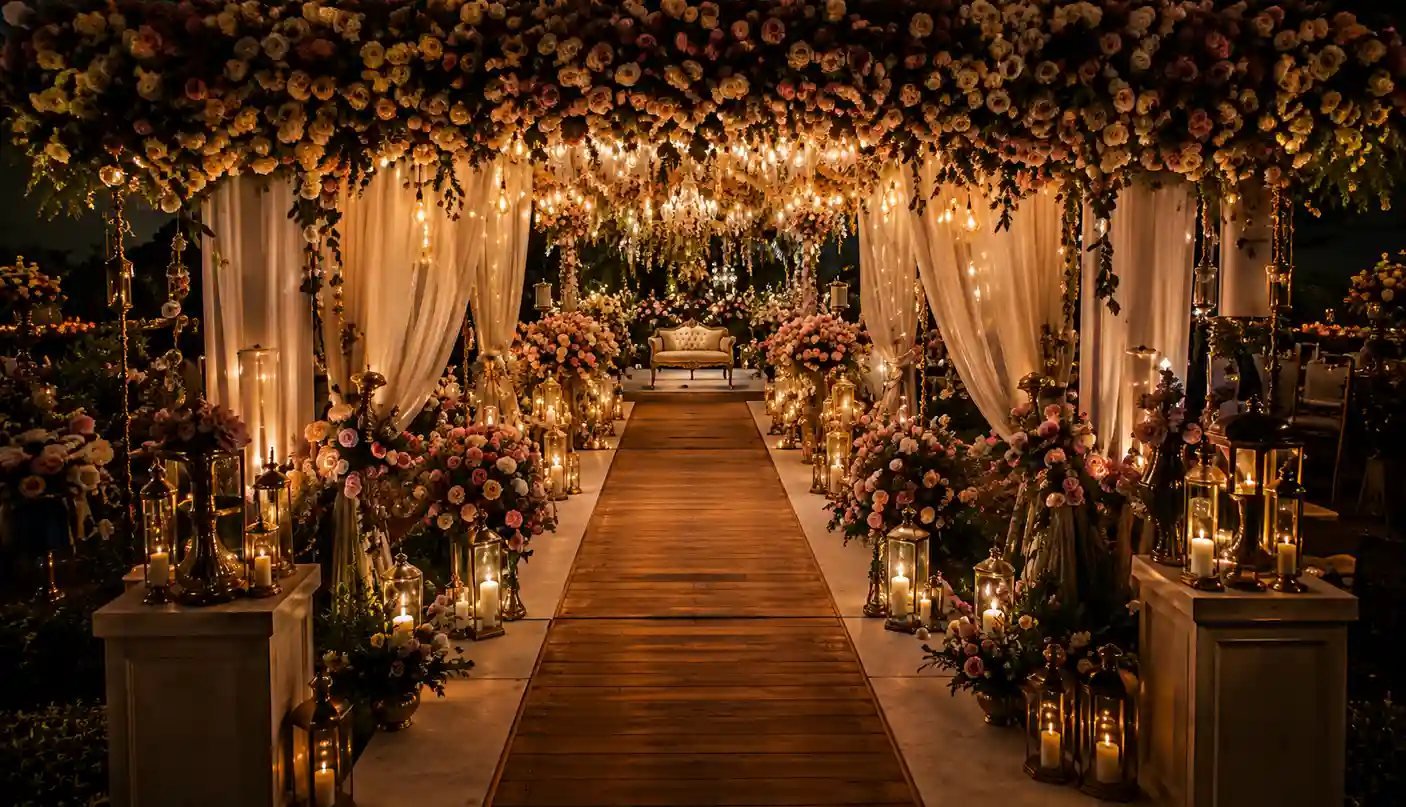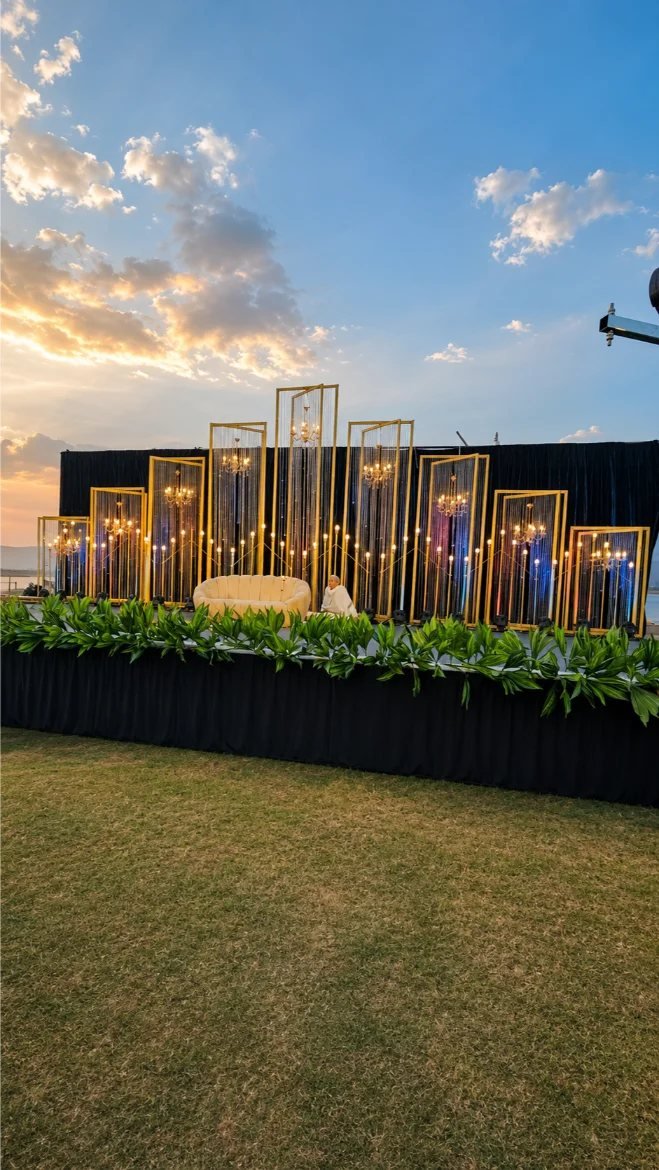
Destination Wedding Near Pune: Lonavala vs Mahabaleshwar vs Alibaug
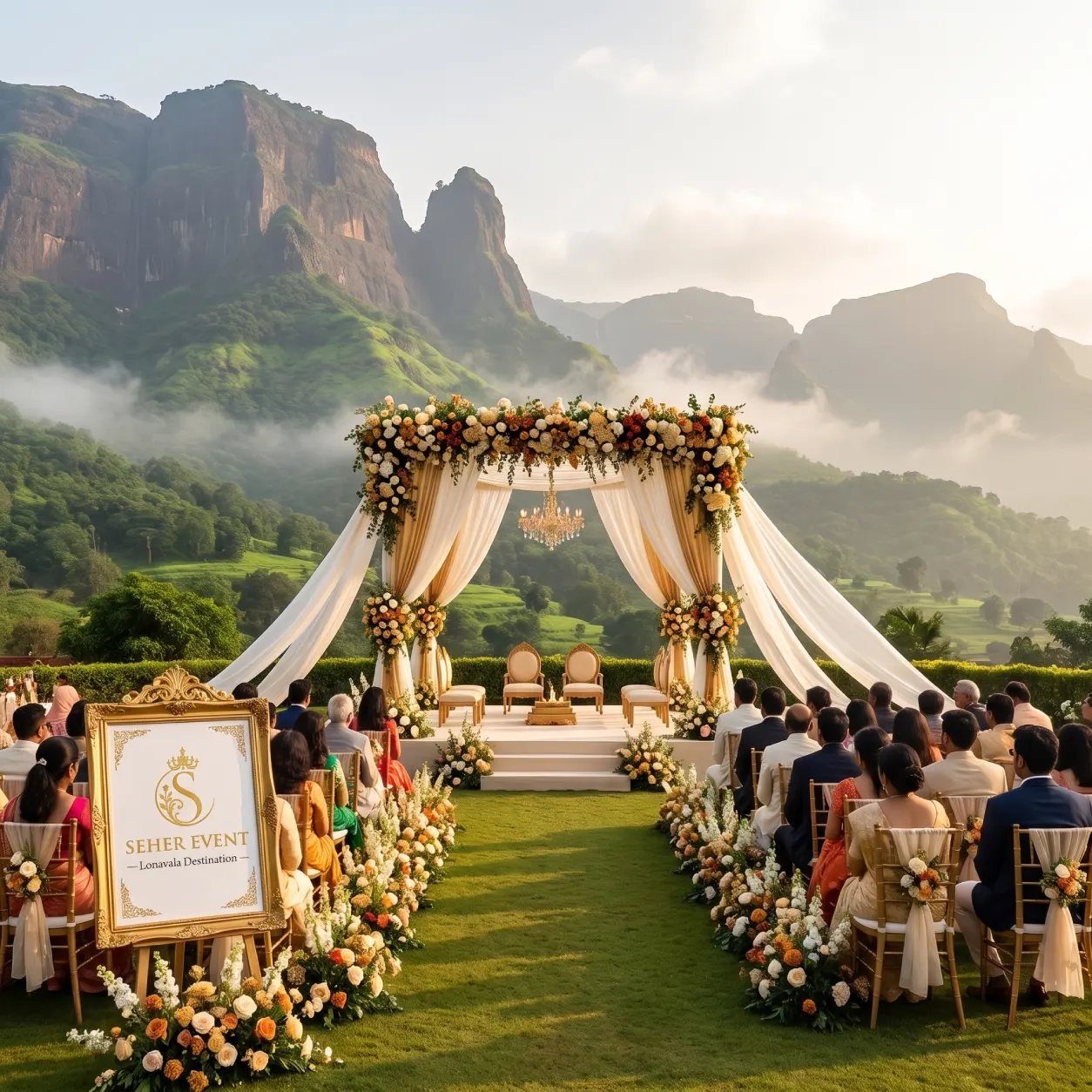
Choosing a destination wedding near Pune often comes down to three settings: the green hills around Lonavala, the cooler Western Ghats air of Mahabaleshwar and Panchgani, or the coastal resorts around Alibaug. The best choice depends on your guest list, season, travel time and budget more than on photographs.
Ready to plan one? See our destination wedding near Pune page for how Seher Event handles venues, decor and guests.
This guide compares Lonavala, Mahabaleshwar and Alibaug from the point of view of a couple actually organising a wedding. It explains the trade-offs that do not usually appear in venue galleries: access times, room allocations, monsoon contingency, vendor loading, meal arrangements, décor installation and the experience of older guests. Use it before visiting resorts, and bring the questions to every venue appointment.
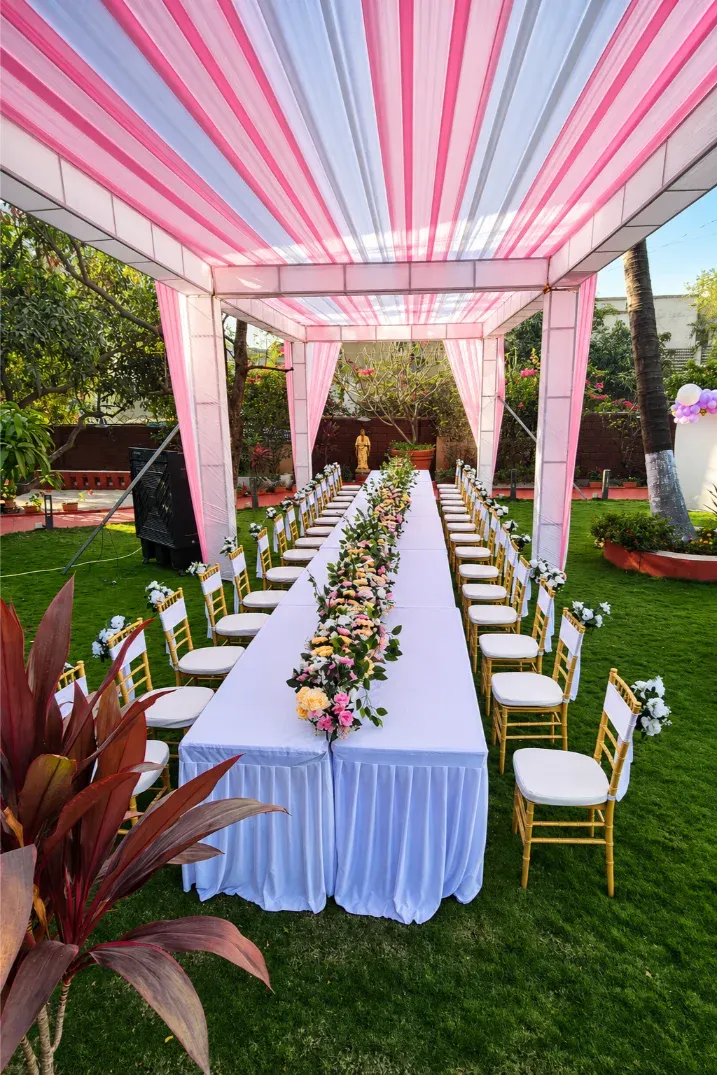
At a glance
- Compared: Lonavala, Mahabaleshwar and Alibaug
- Judged on: travel time, season, venue type, guest stay and budget
- Use it to: pick one destination wedding near Pune before booking site visits
- Next step: share guest count and dates for a destination wedding near Pune shortlist
Quick comparison: which destination suits your wedding?
Lonavala is a practical first shortlist if many guests are travelling from both Pune and Mumbai and you want a hill-resort atmosphere without being especially remote. Mahabaleshwar and Panchgani suit couples who picture a cooler, scenic hill-station celebration and can plan more carefully for the longer road trip and changing weather. Alibaug is appealing for coastal-style celebrations, outdoor lawns and relaxed weekend itineraries, particularly when many guests travel from Mumbai, although road and ferry arrangements require attention.
None of those descriptions guarantees that a specific venue will fit your event. A property with spectacular photographs may have limited covered function space, a strict noise policy or too few rooms. Your final decision should follow a property-level inspection, a full quotation and a realistic guest transport plan.
Before comparing places, decide what the wedding needs
Count the guests who will actually travel
Write down where people are travelling from: Pune, Mumbai, other Maharashtra cities and destinations further away. Divide the list into guests who need an overnight stay and those who might attend one function and return home. A venue that is comfortable for one hundred resident guests may not suit three hundred visitors arriving for the main ceremony.
Consider families with children, older relatives and guests who require step-free access. Several properties have scattered accommodation blocks, sloping pathways or long walks between rooms and event lawns. The layout needs to work after dark and in rain, not only in the daytime photographs shared by the sales team.
Decide how many functions need different settings
A two-day celebration might include a welcome dinner, haldi, sangeet, wedding ceremony and reception. This does not necessarily mean you need five separate venue spaces. Ask whether one lawn can safely be reset between functions, whether a banquet hall can hold a second event, and how long the decorator requires for transitions.
Couples sometimes book a property because the mandap view is lovely, then discover that every other function must use the same crowded location. List your spaces in advance: welcome, ceremony, evening stage, dining, hospitality, guest accommodation and supplier operations. A versatile property is often more useful than one exceptional photograph.
Lonavala: an accessible hill-resort setting
Where Lonavala works especially well
Lonavala is familiar to many families in Pune and Mumbai. The Maharashtra Tourism department notes its road and rail links with both cities, which makes it a sensible area to investigate for a weekend celebration with guests arriving from several directions. The appeal is a green scenery, resort gardens and the possibility of keeping wedding events together rather than moving across the city.
Properties differ substantially. Some cater mainly to short leisure stays and have limited production access. Others may have event lawns and covered spaces but restrict amplified music or elaborate installations. Ask for the venue’s actual wedding capacity, not a generic guest capacity that assumes every person is staying at the property.
The advantages and disadvantages for guests
The comparative convenience of Lonavala can reduce the need for multiple hotel-to-venue transfers, particularly if the resort itself has enough bedrooms. However, travel during busy weekends, rain or local traffic can still be unpredictable. Ask the hotel to share its preferred arrival route and a realistic travel buffer rather than relying on one trip time from a map.
For guests arriving by rail, establish how they will reach the property from the station. For people with luggage or mobility needs, an unplanned final transfer is stressful. Create an arrival desk, a contact number and a grouped pickup plan. If many family members are not staying overnight, verify safe departure arrangements at the end of the main function.
Monsoon planning is not optional
Lonavala’s green monsoon scenery can look impressive, but heavy rain changes the execution plan. The Maharashtra Tourism department advises care with slippery roads during the monsoon. For an outdoor wedding, the more important questions are whether the venue can provide adequate cover, safe pathways, protected power distribution and a credible alternative for the entire expected guest count.
A decorative canopy that shields a small stage is not the same as a workable rain plan for the ceremony, dining and guest movement. Ask to see the actual indoor alternative, its capacity and how quickly it can be switched into service. Confirm whether the wedding design and supplier quotation will change if that contingency is used.
Mahabaleshwar and Panchgani: a hill-station celebration
Why couples choose this area
Mahabaleshwar is known for its Western Ghats scenery, cooler conditions at certain times of year and hillside views. The official Maharashtra Tourism guidance describes the area’s winter months as generally pleasant for tourism. For a wedding, that scenery can create a distinctive sense of occasion, especially where the venue combines accommodation, terraces and indoor event space.
The key is to evaluate the property rather than imagining every resort will look like a panoramic viewpoint. Ask whether the best views can actually be used for a ceremony, what the capacity is, whether wind affects structures and whether evening sound is restricted. An attractive terrace may be better for photography than a large seated ritual.
Account for a longer road-based arrival pattern
Compared with a city venue in Pune, a hill-station wedding usually requires more attention to travel communication. The tourism department identifies Pune as an important access point for Mahabaleshwar, with onward travel by road. Encourage guests to arrive with enough time to settle rather than scheduling a major function immediately after a long trip.
For a wedding weekend, a shared transport plan can simplify guest arrivals, but the pickup windows must reflect real travel patterns. Confirm driver familiarity with hill routes and the final approach to the property. If suppliers are bringing staging, lighting or furniture, ask whether large vehicles can reach the loading entrance and whether installation access is restricted.
Temperature, mist and the outdoor ceremony
Hill weather adds atmosphere, but a scenic event is not necessarily a warm or dry event. Think about evening temperatures, wind, fog and seasonal rainfall. For an exposed mandap, check whether fabric installations and floral arrangements can tolerate the conditions and whether the lighting plan will still work if the view disappears behind mist.
Avoid selecting a wedding date on the assumption that the weather will behave exactly as it did during your venue visit. Ask for indoor or sheltered alternatives and set a deadline for deciding whether to move the ceremony. Your contract should make clear what that change will cost and how guests will be informed.
Alibaug: a relaxed coastal wedding atmosphere
What makes the coast attractive
Alibaug offers a different visual character from the hill destinations. The coastline, palms, gardens and coastal-style resort architecture suit ceremonies that use lighter fabrics, natural textures and open-air layouts. Official Maharashtra Tourism resources describe Alibaug as a coastal destination in Raigad district with road and waterway access. That flexibility attracts interest, but the practicality of the chosen route depends on the season and the exact property.
A beachfront image is not proof that a resort has permission to place stages or host events on the shore. Ask the venue exactly which spaces it owns or controls and whether any outdoor activity requires separate authorisation. Design the ceremony around legally usable, guest-safe areas, not assumptions based on the location.
Think through how people will arrive
Guests travelling from Mumbai may consider road travel or a route involving waterways, depending on current services and conditions. However, ferry timings, embarkation points and operating status can change, and onward road transfers are still needed for many properties. Do not promise guests a particular service until the relevant operators have confirmed it.
For people travelling from Pune, compare realistic road routes, breaks and arrival times. Combine the transport strategy with room allocation: anyone reaching the resort late should be able to check in without hunting for a coordinator. For the return trip, provide a departure plan that accounts for checkout, luggage and people leaving after the reception.
Heat, humidity and wind affect décor
Coastal weddings need practical choices about floral preservation, lighting, guest shade and materials. Delicate displays can require a different handling plan in heat and humidity; exposed structures may need engineering appropriate for wind. Check how the decorator will protect electrical connections, fabrics and technical equipment. Design and safety decisions should be approved by professionals who know the property.
A late-afternoon ceremony may appeal because of the setting, but consider where guests will sit before the sun lowers. Provide drinking water and shaded waiting space. Plan photography around actual light at the venue rather than generic sunset expectations, and identify an indoor route in case of bad weather.
Comparing the three destinations against six practical criteria
Criterion one: travel and arrival complexity
Build a simple matrix with each destination as a column and your main guest groups as rows. Estimate how many transfers are needed, how likely guests are to arrive at very different times, and whether the venue is accessible to those with mobility needs. A nominally shorter trip can still be inconvenient if the final road is difficult or parking is inadequate.
Do not rank a destination solely by the travel time shown on a mapping application. Ask hotels about realistic peak-period travel, approach roads and pickup points. If several guests are arriving internationally, include time for airport formalities, baggage collection and a rest period before events begin.
Criterion two: rooms and total guest capacity
Distinguish room inventory from event capacity. A resort may host a large reception while offering only a modest number of bedrooms, requiring a second hotel. This introduces transport, check-in coordination and additional cost. Ask each property how many rooms are available for your exact dates, which categories can be reserved and what its cancellation and room-block terms are.
Where a second property is necessary, confirm shuttle routes and timetable. If some family members are paying for rooms themselves, clarify the rate and booking deadline in writing. A pleasant destination wedding depends heavily on guests knowing where they will sleep and how they will get to each function.
Criterion three: indoor alternatives and weather resilience
Request three layouts: your preferred outdoor plan, a rain or wind alternative and a mixed plan if only part of the venue can remain outdoors. Ask for capacities, floor plans, supplier access and whether the indoor rooms need additional décor or technical equipment. The best backup is one that still feels like an intentional celebration.
Venue representatives should explain any limits on temporary shelters, generators, hanging structures and external sound systems. If a backup location is much smaller than the main lawn, the venue may not truly support your guest count. Clarify that before signing rather than hoping the weather will cooperate.
Criterion four: décor suitability and installation scope
Lonavala gardens, Mahabaleshwar hillside properties and Alibaug resorts all invite different decorative approaches. Start with the setting’s strengths. A forested view may need restrained floral work; a formal hall may benefit from a stronger stage structure; a coastal lawn may favour textures and lighter colours. This does not mean a theme is compulsory.
Ask a decorator to inspect the actual venue before producing a final quotation. Check access, rigging restrictions, floor protection, flower storage and installation timing. A design transferred unchanged from another resort can prove awkward or expensive when the dimensions and working conditions differ.
Criterion five: supplier costs and logistical risk
Compare complete event quotations, not only venue prices. Include transport and accommodation for suppliers, loading, stage and lighting equipment, furniture, meal service, generator requirements, extra labour and dismantling. Suppliers may charge differently for distant properties or multi-day access, so request itemised estimates for each destination.
Be careful about prices found in online articles. They can be useful starting points for questions but are not offers for your date, guest count or property. Budget for the entire sequence of functions. A low package rate that excludes critical production elements may cost more once the additions are priced.
Criterion six: the atmosphere you want to create
Finally, imagine the guest experience. Do you want a resort weekend where most guests stay together, a compact ceremony followed by a large reception, or an intimate celebration built around family time? An impressive setting is not the same as an event that suits your guests.
Make one shared priorities list before venue visits. Rank comfortable accommodation, scenery, travel ease, ceremony space, indoor backup and price according to what matters to your family. The right destination should score well on the priorities that cannot easily be changed after booking.
Build a destination-wedding budget that is useful
Separate fixed costs from costs that grow with guests
Fixed or relatively fixed items may include major stage structures, essential technical infrastructure and some venue charges. Guest-variable expenses often include food, welcome kits, rooms, transport seats and certain service staffing requirements. Recording these separately helps you see how much a late guest-list increase will change the budget.
Also separate contracted spending from estimates that still need vendor confirmation. A comparison sheet could have columns for venue, accommodation, catering, décor, AV, transport, hospitality, taxes, contingency and exclusions. Use the same headings for all three destinations. Otherwise the most attractive quotation may simply be the least complete.
Ask about room blocks and cancellation responsibility
Hotels may offer group rates, but the conditions matter more than the headline number. Ask when rooms must be guaranteed, whether unused rooms can be released, what happens if the wedding date changes and whether extra beds or breakfast are included. Never assume every quoted room is suitable for an elderly relative or a family with children.
Maintain one rooming list with arrival and departure dates and a clear payment responsibility. Avoid keeping separate master lists with the family, hotel and transport team. Updated allocations should come from one authorised owner who can resolve mismatches without upsetting guests.
What to ask on every resort site visit
Walk through the entire guest trip
Start at the entrance, not the ceremonial lawn. Where will cars stop? Who checks names? How far are rooms, washrooms and dining from the ceremony? Is the route well lit? Can older relatives move without repeated stairs? Does the property have a quiet indoor area if someone needs to rest?
Inspect the spaces in the sequence guests will experience them. A lovely ceremony area does not compensate for a crowded welcome desk or difficult departure point. Take notes and photographs with the venue’s permission so the family can compare practical details afterwards.
Inspect the supplier trip too
Ask where trucks unload, which lifts or service roads are available, where equipment can be stored and how long the decorator has for installation. Confirm whether the property permits outside vendors and whether it levies charges for them. Review available power, sound restrictions and the timing for dismantling.
If the venue allows several weddings or events on the same date, ask what resources are shared and who controls access. Clear boundaries protect privacy, sound quality and the guest experience. Obtain confirmation of important arrangements in writing before transferring deposits.
A two-day destination wedding timeline
Day one: arrivals, welcome and evening celebration
A practical first day might begin with staggered hotel check-in, a staffed welcome point and refreshments. Leave room in the programme for guests whose journeys run late. A smaller daytime function can create a relaxed start, followed by an evening celebration once most guests have settled.
Build the production schedule backwards from the evening start time. The decorators, technical crew, caterer and venue team need distinct handover deadlines. If a space must change between functions, protect that turnaround period. The day’s schedule should not require every guest to be ready immediately after arriving.
Day two: ceremony, reception and departure
The second day could include a morning or afternoon ceremony, family photographs and a reception, with departure either that evening or the next morning. Ensure the ceremony’s timing works with guest travel, the photographer’s light requirements, catering and the needs of the family. Keep transport contacts active even while the main events are happening.
Do not forget checkout arrangements. If a significant number of guests leave directly after the main function, plan luggage storage, vehicles and a clear dispatch system. A wedding weekend feels more complete when the departure is as thoughtfully organised as the welcome.
How décor and guest management should work together
Decoration creates the environment; hospitality helps guests use it comfortably. The entrance might need to accommodate a welcome desk, gift handling, name checks and transport information. Seating plans should consider family groups and accessibility. The dinner layout needs to work with service queues and the number of people expected at any given hour.
Coordination becomes especially important when the venue is remote from the nearest town. A missing item or delayed vehicle may take longer to resolve. Discuss a clear working arrangement between the decorator, venue team and hospitality lead. Seher Event provides destination wedding decor and guest management services that can be considered together when designing the event brief.
Questions to settle before paying a deposit
Agree the exact spaces and dates included in the venue booking, all taxes, minimum spend, room commitment and final payment schedule. Confirm access hours for setup and dismantling, restrictions on music, cancellation and rescheduling provisions, permitted suppliers and any additional charges for using indoor backup spaces.
Ask for a named venue coordinator who will be present during the event. Record the property’s approval process for temporary stage structures, electrical equipment, fire safety and outdoor ceremonies. If the sales representative makes a verbal assurance about a detail important to your decision, request written confirmation.
Common mistakes when choosing a destination wedding venue
Selecting the destination before deciding who needs to attend
An ideal photograph may represent a difficult trip for important relatives. Calculate the travel demands on guests who genuinely must be present. If attendance becomes complicated, consider a smaller destination ceremony and a larger local reception. The choice is personal, but it should be discussed before sending invitations.
Ignoring the full cost of a second hotel
A resort package may look attractive until you add rooms at another property, repeated shuttles and staff to manage check-in at both locations. Compare the complete guest experience and all transport costs. If the second hotel is necessary, establish the allocation and pickup plan early.
Expecting perfect outdoor conditions
A scenic location does not guarantee clear skies or comfortable temperatures. Backup layouts, shelter and safe electrical arrangements must be part of the contract discussion. Avoid structures and decorative elements that cannot be safely used in the conditions the venue may face.
Choosing a décor style that fights the setting
Heavy stages can obstruct the very view that attracted you to a destination. Start with the natural or architectural character of the property, then add proportionate decorative elements. Photographs from another venue should inspire the brief, not become an exact specification.
Keep the Arrival and Departure Plan in One Place
For a destination wedding, a resort reservation is only part of the travel arrangement. Ask each guest group when they expect to arrive, whether they need pickup assistance and which night they plan to leave. Confirm the earliest hotel check-in time and the latest planned function before recommending travel tickets. If many people arrive together, provide a clear meeting point and a hospitality contact who can answer questions without disturbing the couple. On departure day, allow time for breakfast, checkout, luggage collection and road travel. A shared information pack should contain the venue address, room booking instructions, transport meeting points and the current itinerary. Review these details again shortly before the event because guest plans and operating conditions can change. The best destination experience feels easy from the first arrival through the final goodbye.
Before you book
Frequently asked questions
Something else on your mind? Ask us on WhatsApp (opens in a new tab).
Is Lonavala or Mahabaleshwar better for a destination wedding near Pune?
Lonavala may be more convenient for families travelling from both Pune and Mumbai, while Mahabaleshwar appeals to couples seeking a hill-station setting. The better choice depends on guest locations, room inventory, season, indoor backup and available venues. Compare individual properties before deciding.
Is Alibaug suitable for an outdoor wedding?
Coastal resort lawns can work well for outdoor celebrations, subject to venue permissions, weather, guest comfort and technical safety. Ask for appropriate shade, an indoor alternative, secure structures and a clear transport plan. Never assume a beach itself is available for private event use.
What season is best for these wedding destinations?
Seasonal comfort varies by place and year. Official Maharashtra Tourism guidance highlights the appeal of cooler winter months for Lonavala and Mahabaleshwar. Rain, humidity and local operating conditions can still affect weddings. Confirm seasonal suitability with your venue and suppliers for your exact dates.
Should guests stay at the wedding resort?
Keeping most guests in one property simplifies transport and event transitions when the venue has enough suitable rooms. However, room price, accessibility and availability may require other options. Decide who is paying for accommodation and communicate the arrangement early.
How far in advance should a destination wedding be booked?
Popular venues and dates are worth investigating early, often many months ahead. The required lead time depends on season, size and flexibility. Start with your guest count, date options and budget, then ask venues about availability rather than assuming one booking window fits all.
Do we need a weather backup for every destination?
Yes, especially for outdoor functions. An indoor backup should accommodate the real guest count and be included in the production plan. Ask how quickly the space can be used and what changes it requires to décor, catering or technical setup.
Can the same decorator handle several functions at the resort?
A capable team may design and execute multiple functions, but the quotation must specify distinct setups, staff, timings and equipment. Reusing materials may reduce some costs, although it also requires enough time for safe transitions. Confirm how each area will be handed over.
What should we send an event planner to request a quotation?
Share your preferred destination, date options, estimated guest count, number of functions, chosen or shortlisted venues, accommodation expectations and visual references. Explain which services you need and where responsibilities should sit. A detailed brief produces a more useful quotation.
Final decision checklist for couples
Before booking, ask yourselves whether the venue works for your most important guests, whether the weather backup is genuinely usable, whether all required functions fit comfortably, and whether suppliers can access and install everything safely. Check the full cost including rooms and transport. Ensure one person is responsible for guest hospitality and another for technical production, even if a single planning team supervises both.
Once the answer to those questions is clear, personal taste can guide the final choice. Lonavala, Mahabaleshwar and Alibaug each offer a different celebration experience. None is automatically superior, and no website photograph can replace a practical site visit.
Explore a destination celebration with Seher Event
Seher Event works across Pune and nearby destinations, with services covering wedding decor, home styling and guest coordination. If you are comparing venues around Lonavala, Mahabaleshwar or Alibaug, send the team your likely dates, guest count and function list. We can discuss which event elements need to be planned and what information should appear in a realistic scope of work.
Start through our contact page or WhatsApp Seher Event. For destination research, see the official Lonavala tourism guide, Mahabaleshwar tourism guide and Raigad visitor information; confirm current conditions directly before travel.
Related reads: Destination wedding planner near Pune and Mumbai · Destination wedding in Lonavala · Destination wedding in Karjat · Destination wedding in Mahabaleshwar and Panchgani · Destination wedding in Alibaug · Destination wedding cost in India
Plan it with Seher Event
Share your date and plan. We will send a plan and a quote.